
Norfolk Previous Residents by Era
One Norfolk address can have two linked trails. Recorded land records identify transfers and legal property history. Directories, census schedules, newspapers, cemetery records, and probate materials can provide the household layer. Begin with the most recent record that matches the present parcel, then choose the source that covers the period in question. A current AIR card does not prove past occupancy, and a directory observation does not replace a deed. Keeping the two trails distinct makes the record sequence easier to test.
| Record source | Norfolk coverage | Where held | What it can show |
|---|---|---|---|
| Land-record images | SRA table from 1784; clerk reports imports back to 1682 | Circuit Clerk Special Index, SRA, or counter | Grantor, grantee, recording, legal description, and instrument image. |
| General deed indexes | 1637–1876 ranges; Hustings indexes 1784–1872 | Library of Virginia microfilm | A name-to-book-and-page bridge. |
| Land books and AIR | SRA land books from 1881; AIR is current | Clerk and Norfolk assessor | Assessment and owner continuity clues. |
| Norfolk directories | 1801–1931 digital collection; selected Virginia run through 1960 | Sargeant Memorial Collection and Library of Virginia | Address, household, occupation, and reverse-street clues. |
| Federal census | 1790–1950 public schedules | NARA partners and Sargeant microfilm | Decennial household and street context. |
| Newspapers and cemeteries | Nearly 200 years of newspaper microfilm; municipal cemetery database | SMC, Virginia Chronicle, and city cemeteries | Moves, deaths, notices, and interment locations. |
| Sanborn maps | 1910 volume with 102 sheets; later local holdings vary | Library of Congress and local collections | Building footprint, use, and street context. |
| Permits and code cases | Current AIR and Open Data access; earliest online year not located | Norfolk AIR and Planning records | Construction, alteration, inspection, and owner-related clues. |
Earlier deed work usually needs the clerk or Library of Virginia route. For later household work, begin with the digital directory run and move outward to a census, newspaper, cemetery, or probate record only when the dates and address line up.
Freeze the Norfolk Parcel First
Norfolk AIR is the starting point for a present address. Save the normalized situs address, GPIN or account number, current owner display, mailing address, legal description, subdivision or lot and block, map position, and alternate address if shown. The mailing address is a useful way to locate the owner on a deed, but it is not proof that the owner lived at the property. A parcel may have been divided, merged, assigned several addresses, or associated with a condominium or vacant lot.
Use a simple record trail: current address and parcel key → current purchase deed → seller named in that deed → seller's earlier purchase → earlier deed or microfilm index. At every step, carry the legal description forward. It is more stable than a street string when a number disappeared, an address was renamed, or a boundary changed.
Norfolk AIR also supplies current sale, assessment, building, permit, code-case, and aerial context. Those facts can help date a change to the structure, but they do not establish the identity of every earlier household.
Norfolk Previous Residents and Land Access
The Norfolk Circuit Court Clerk's Land Record Division keeps deeds, mortgages, certain liens, homestead exemptions, and related land instruments. Its deed page says more than seven million imaged land-record images are being imported and that the imaged collection reaches back to 1682. The clerk does not conduct the search for a requester. That makes the instrument reference, legal description, and party names collected from the parcel record especially important.
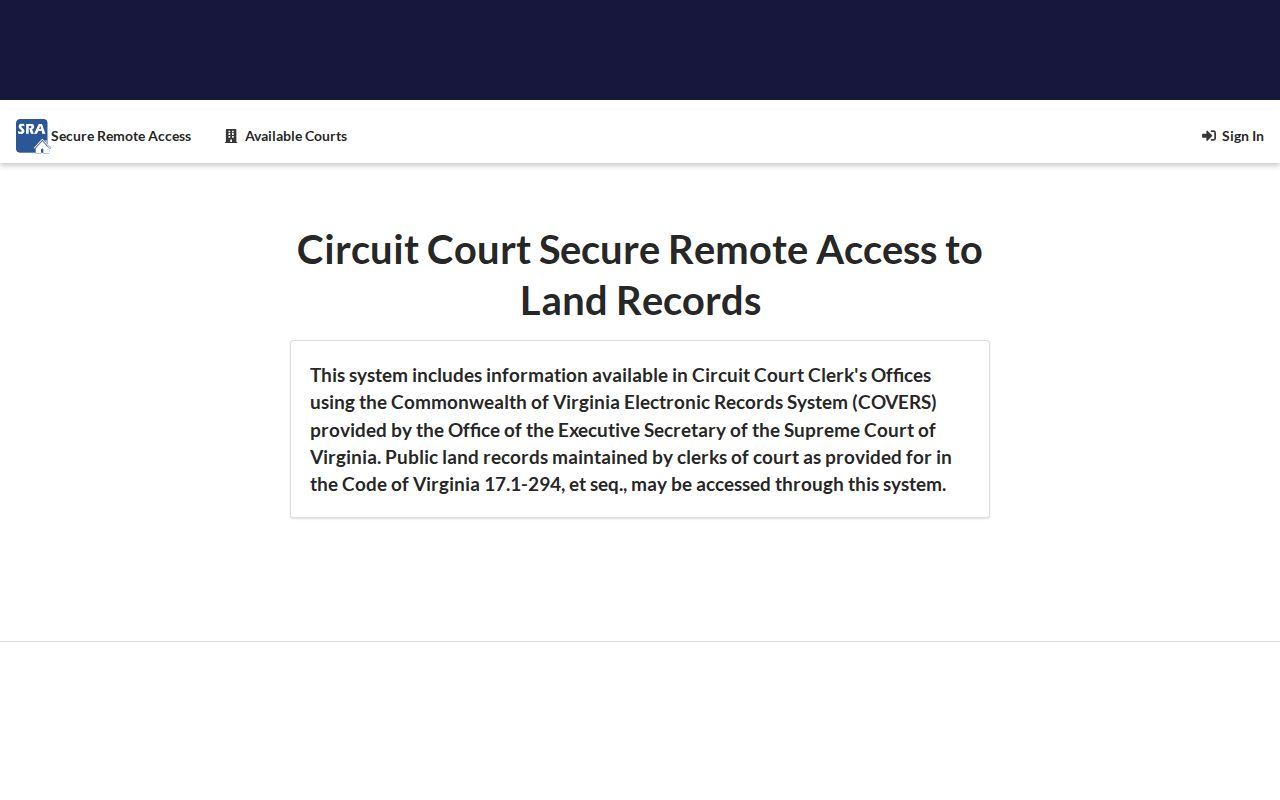
The clerk's Secure Remote Access is subscription access, listed at $50 per month or $600 per year. Its coverage table begins deeds and land records in 1784, land books in 1881, and wills and fiduciaries in 1894. The free fallback is the public record-room software and Special Index at the counter. For a copy, use the clerk's document-request process; for old books or indexes, use Library of Virginia microfilm. A reasonably specific Virginia FOIA request can seek an existing nonexempt record, but it cannot make the clerk perform a new historical search.
The Secure Remote Access landing page shows the subscription route used for Norfolk land and court records.
Use the coverage dates as a routing aid, not a guarantee that every older instrument is searchable by a modern name. The Special Index and the clerk's counter remain part of the documented access chain.
Trace Norfolk Previous Residents Through Deeds
The recorded chain moves backward by parties and legal identity. Find the present owner's purchase deed, read the seller or grantor, then search that seller as a prior grantee to find the earlier purchase. Record each book and page or instrument reference before opening the next item. If an address does not appear, try the lot, block, subdivision, former street name, owner variants, and adjoining parcels. A plat can bridge the street address to the legal lot; metes and bounds may point to bearings, landmarks, or a survey book and page.
- Capture the current AIR parcel keys and legal description.
- Find the current purchase deed through the Clerk's index, Special Index, SRA, or counter.
- Note the grantee, grantor, recording date, deed type, legal description, and prior-instrument reference.
- Search the seller as an earlier grantee and repeat the same note-taking.
- When the web trail ends, consult the Library of Virginia's deed-index microfilm and deed books.
- Grantor and grantee
- The grantor transfers an interest. The grantee receives it. One person's sale can lead to that person's earlier purchase.
- Chain of title
- The sequence of recorded transfers and related legal instruments for a parcel.
- Legal description
- The lot, block, subdivision, or metes-and-bounds language that identifies land more reliably than a changing street address.
- Plat
- A recorded map that links property lines, lots, and blocks to the legal description.
Not every transfer is a sale. A gift, trust, foreclosure, same-surname transfer, estate, or partial conveyance can interrupt a simple price sequence. When an owner inherited, branch to the Circuit Clerk's wills, fiduciary files, probate material, and a death notice rather than assuming a missing deed.
Norfolk Previous Residents and Old Addresses
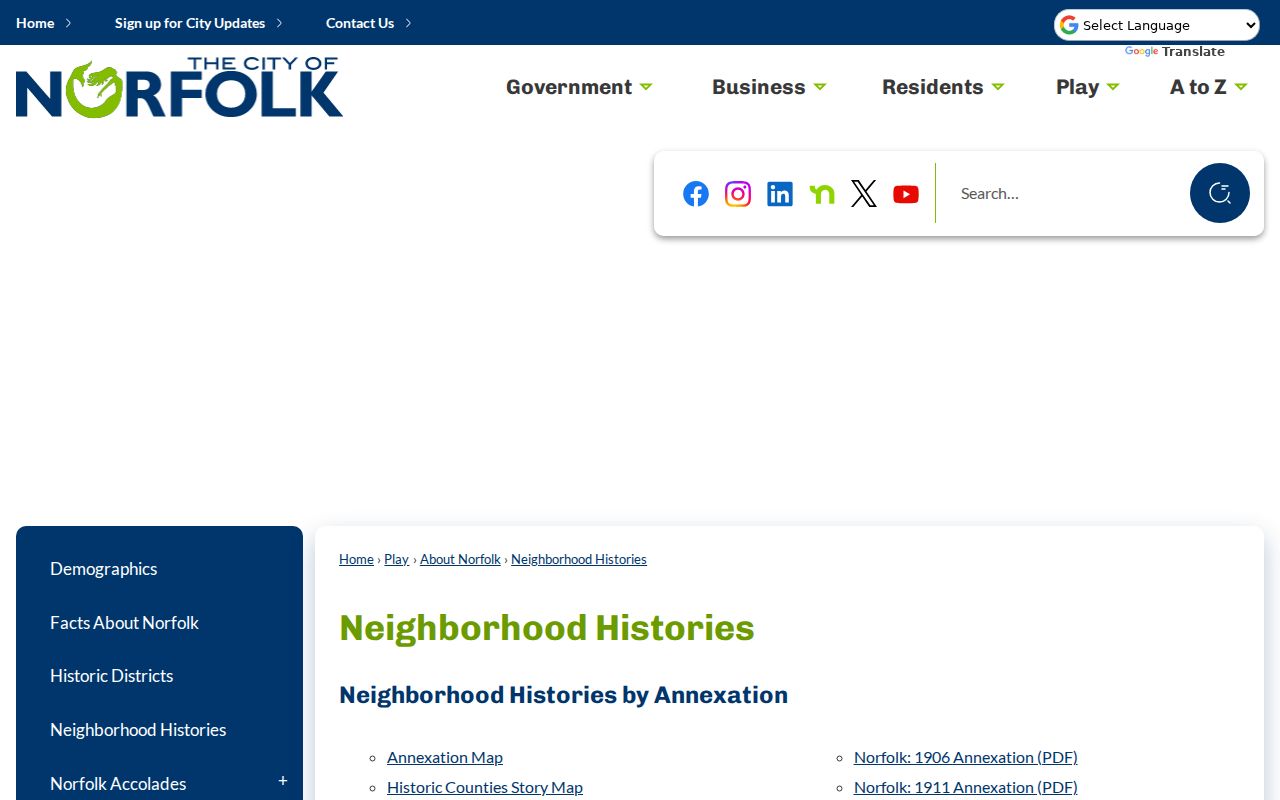
Norfolk's annexation history is a practical part of an address search. The city publishes histories and maps for Norfolk to 1845, 1845–1887, 1890, 1902, 1906, 1911, 1923, 1955, and 1959/1988. Hampton Boulevard was formerly Atlantic Boulevard during the 1920s. An older directory or deed can also place a location in Berkley, Norfolk County, Portsmouth, or an annexed neighborhood. Search the address as printed, then build a crosswalk using nearby streets, legal description, and the city map.
The city’s Neighborhood Histories collection supplies those annexation maps and former-locality context.
Compare a historical locality label with the current parcel only after checking the map series. A boundary change can explain an apparent gap without proving that a household moved.
Norfolk Previous Residents in Directories
Owners are only half of the history. The Norfolk and Portsmouth City Directories collection covers 1801–1931 and commonly has alphabetical, reverse-street, business, and government sections. A reverse-street listing starts with the street and number, then gives the occupant. The books usually contain the previous year's information, some are multi-year, and some years are missing. Treat each entry as a dated observation, not a final conclusion about an address.
Pair an available directory year with the matching federal census period. The directory gives annual-ish address and occupation continuity; a census gives a household snapshot. The public personal-name census release currently reaches 1950. For the shelf and volume details, use the Norfolk Directory Book; the address history should only use those collections to test who lived at one number during a given year.
When a printed entry uses initials, a spouse notation, an old locality, or a former street name, search the alphabetical and reverse sections both ways. Then test the result with a deed, newspaper, cemetery record, or probate file before attributing it to the same household.
Norfolk Maps Date the Building
Sanborn fire-insurance maps are building evidence, not an occupant list. The Library of Congress Norfolk 1910 volume has a key map, 102 sheets, and 110 images. Compare a map's footprint, street number, alley, building use, and materials with AIR's current sketch and aerials. A structure shown in 1910 and missing from a later aerial can mark a demolition or rebuild window. A changed footprint can show an addition without changing the ownership trail.
The Library of Virginia Norfolk microfilm catalog is the deeper fallback for historical court, land, and vital-record materials.
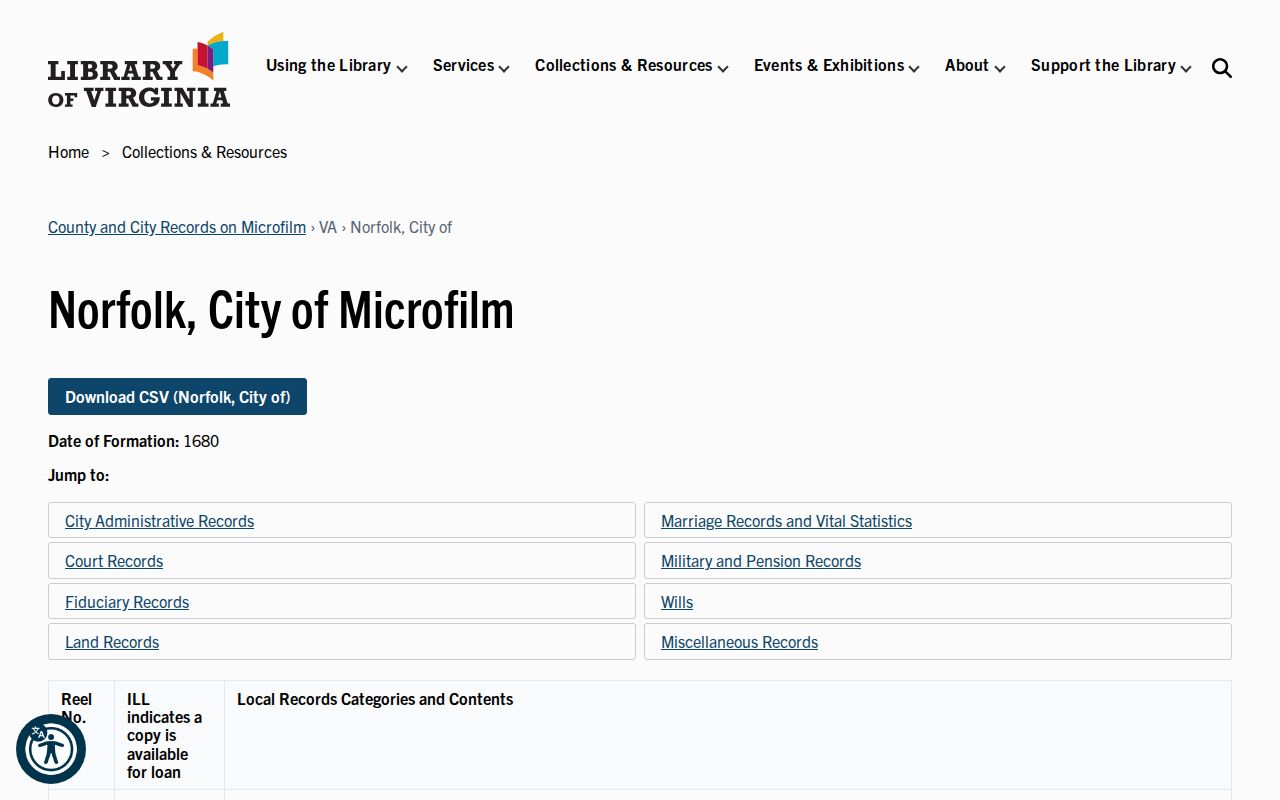
Use the catalog to find the correct index or book when a modern interface stops. It includes historic local court, land, and vital records, with reel details that should be checked before an in-person or reference request.
Note: A building date helps select records from the right period but does not identify a former household by itself.
Norfolk Previous Residents Trail Endpoints
When the deed or directory trail reaches a death, estate, or departure, turn to the right custodian. Sargeant Memorial Collection has nearly 200 years of newspaper microfilm and links Virginia Chronicle, directories, maps, yearbooks, and census resources. Norfolk’s municipal burial search covers eight city cemeteries and provides interment names and mapped grave locations. Probate and fiduciary records may identify an executor, heirs, property, and later conveyance. Use the date and address to connect these records, not a surname alone.
If a source conflicts with another, retain both values with their dates. A stale directory, mailing address, historical boundary, spelling variant, or protected record can explain the difference. The Norfolk Circuit Clerk, assessor, Slover local-history staff, Library of Virginia, and Virginia Department of Health each hold different parts of the trail.